-

Recognising & Reducing Unconscious Bias in Creative, Cultural & Heritage Workplaces
Explore different types of bias and how they might impact your organisation and the delivery of your activities and programmes.
Book now
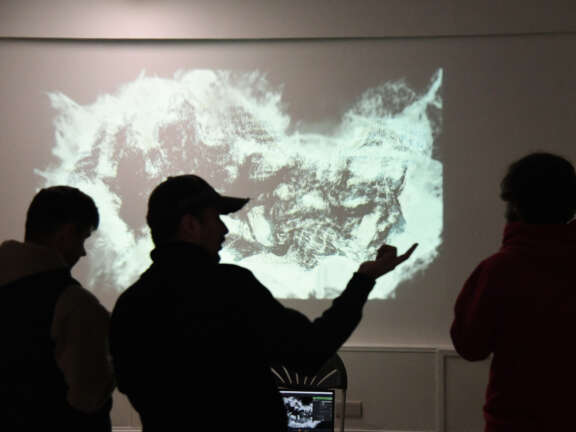
As part of our commitment to ongoing learning as an organisation, we are commissioning speakers to attend our staff meetings to share their lived or professional experience regarding a range of topics.
We recently heard from Breakthrough alum, Mae, who spoke about their experience accessing the arts as a young person who is from an ethnic and faith minority, and comes from a non-arts background.
This is a summary of what Mae shared:
Currently, global majority communities are underrepresented in the arts; only 15% the cultural and creative workforce (working at ACE NPOs) are from Black, Asian, and ethnically diverse backgrounds, but they make up 18% of the general population.
Representation is important to create a sense of safety and belonging, and the lack of diverse representation in the arts means that Londoners from an ethnic minority background are much more likely to feel that arts and cultural events are ‘not for people like me’.
It is a draining experience to enter a new space and not know whether you are going to be met with safety and belonging
Mae discussed the importance of receiving diverse young people with a sense of safety and belonging, because many diverse young people are faced with a choice: to risk sacrificing a sense of belonging to pursue a career in the arts, or work in an industry they are not passionate about but where representation is more diverse.
For Mae, the most effective things arts organisations can do to support people who face discrimination are:
- Collect and analyse data to illuminate ‘blind spots’ in our work and identify communities that aren’t represented in our audiences and workforce
- Co-design programmes with people from the communities we want to engage with who understand the barriers that their community faces
- Communicate through inclusive language and visible representation
- Partner with collectives and inclusive groups to create feelings of safety and confidence
- Recognise and unlearn unconscious bias (Our on demand e‑learning module ‘Recognising and Reducing Unconscious Bias in Creative, Cultural & Heritage Workplaces’ is a helpful place to start)
Thanks to Mae for sharing their experiences, thoughts and ideas with us. The speakers we commission inform, inspire, and make a visible difference in our work.

About the author
Lucy Corke
Lucy works in our Operations and Finance team supporting everyday operations, policy and legislation changes, and curating our employee learning programme.